A family picnic, Revolutionary War reenactments, walking tours and more are planned for a celebration of America’s 250th anniversary from 10 a.m. to 2 p.m. on Saturday, June 20, at Stanton Park. The rain date is June 27.
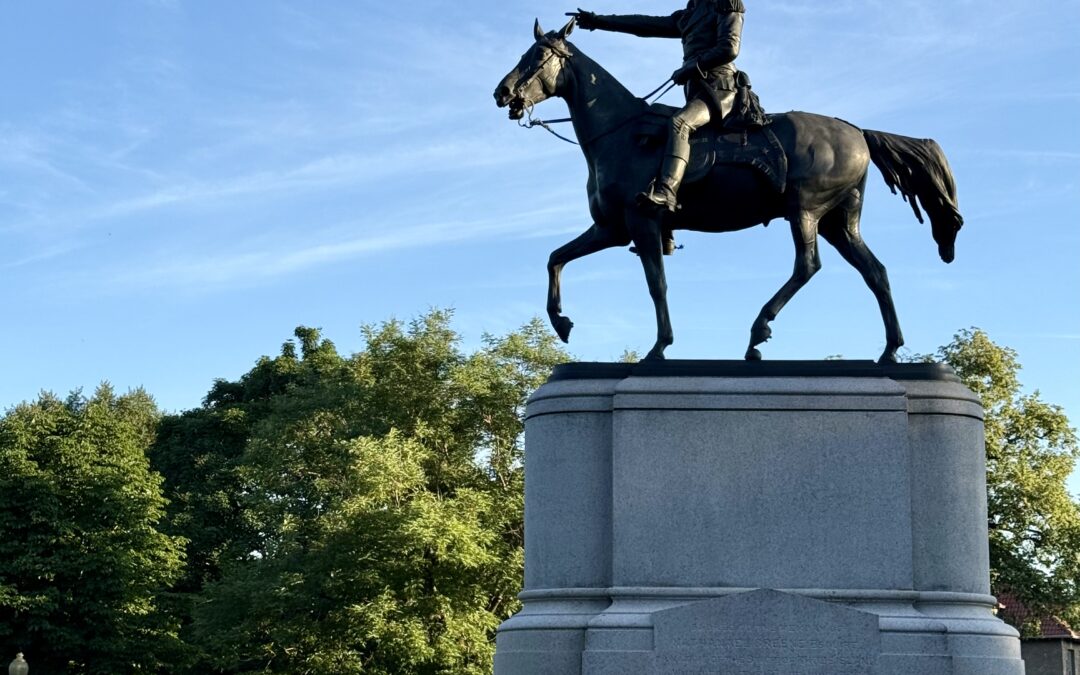
Planned and hosted by the National Park Service and Revive Stanton Park, the event will feature a U.S. Army Old Guard Fife and Drum Corps performance, demonstrations of what a Continental Army encampment was like, and the story of Major Gen. Nathanael Greene, who is known for his command in the Southern theater of the Revolutionary War.
Games and reenactments are planned by the Maryland First Regiment revolutionary era reenactors and National Park Service Rangers, and Capitol Hill Restoration Society volunteers will lead walking tours between Stanton Park and Seward Square.
To receive notifications or if you’re interested in volunteering at this event or in other Stanton Park activities, send your name and email address to revivestantonpark@gmail.com.
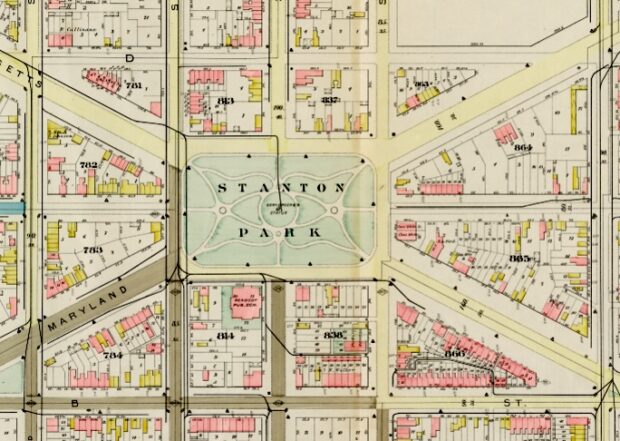
Stanton Park, located at the intersection of Maryland and Massachusetts Avenues, was marked “No. 5” on Pierre L’Enfant’s 1791 plan for the city of Washington. The earliest reference to the name Stanton Square was in an 1871 report by the Army Corps of Engineers, which at the time had responsibility for D.C. public buildings and grounds. Edwin M. Stanton had served as Abraham Lincoln’s secretary of war and had died in 1869. It is Stanton who is credited with saying, “Now he belongs to the ages,” after Lincoln’s assassination.
Stanton Square became Stanton Park after the land was improved, beginning with the 1878 placement of the equestrian statue of Greene, for which Congress had appropriated $40,000 four years earlier. Then in 1879, it was graded and laid with paths.
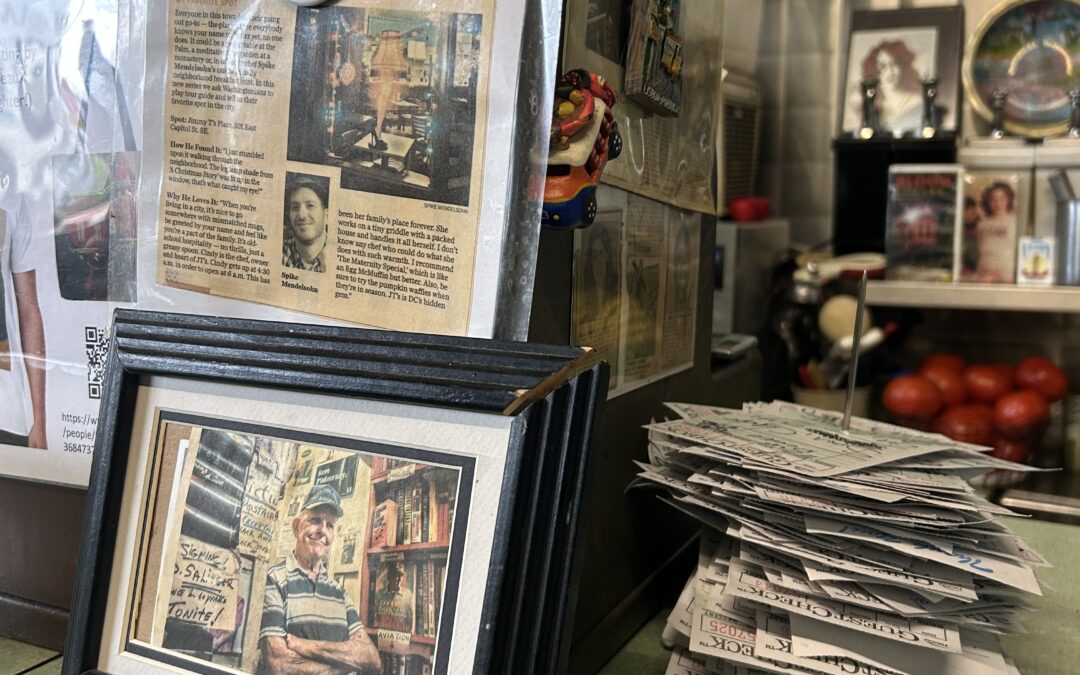
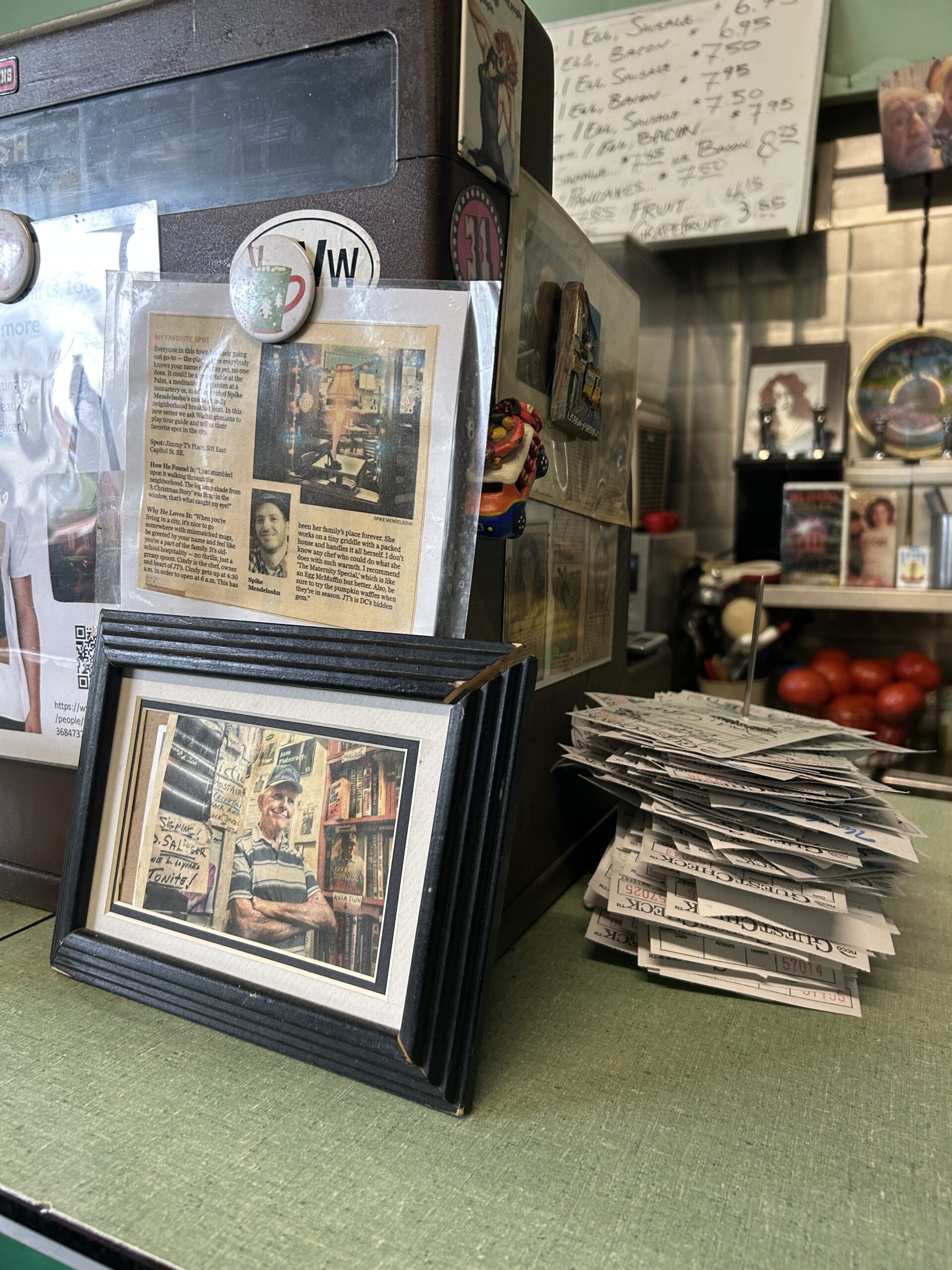
We are thrilled to announce the winners of this year’s CHRS Photo Contest. First Place goes to Jasmine Padgett for her picture, “Family Business,” an interior shot of the beloved East Capitol restaurant Jimmy T’s Place.
Thank you to everyone who submitted entries; there were 78 in all. The 10 winning images will be on display at Coldwell Banker Realty, 350 7th St SE.
Many thanks to this year’s judges: Joe Himali, DC history and real estate; Gary Mintz, 2025 contest winner; William Hauck, Frame of Mine, Barracks Row; and Marianna Sotomayor, The Washington Post.
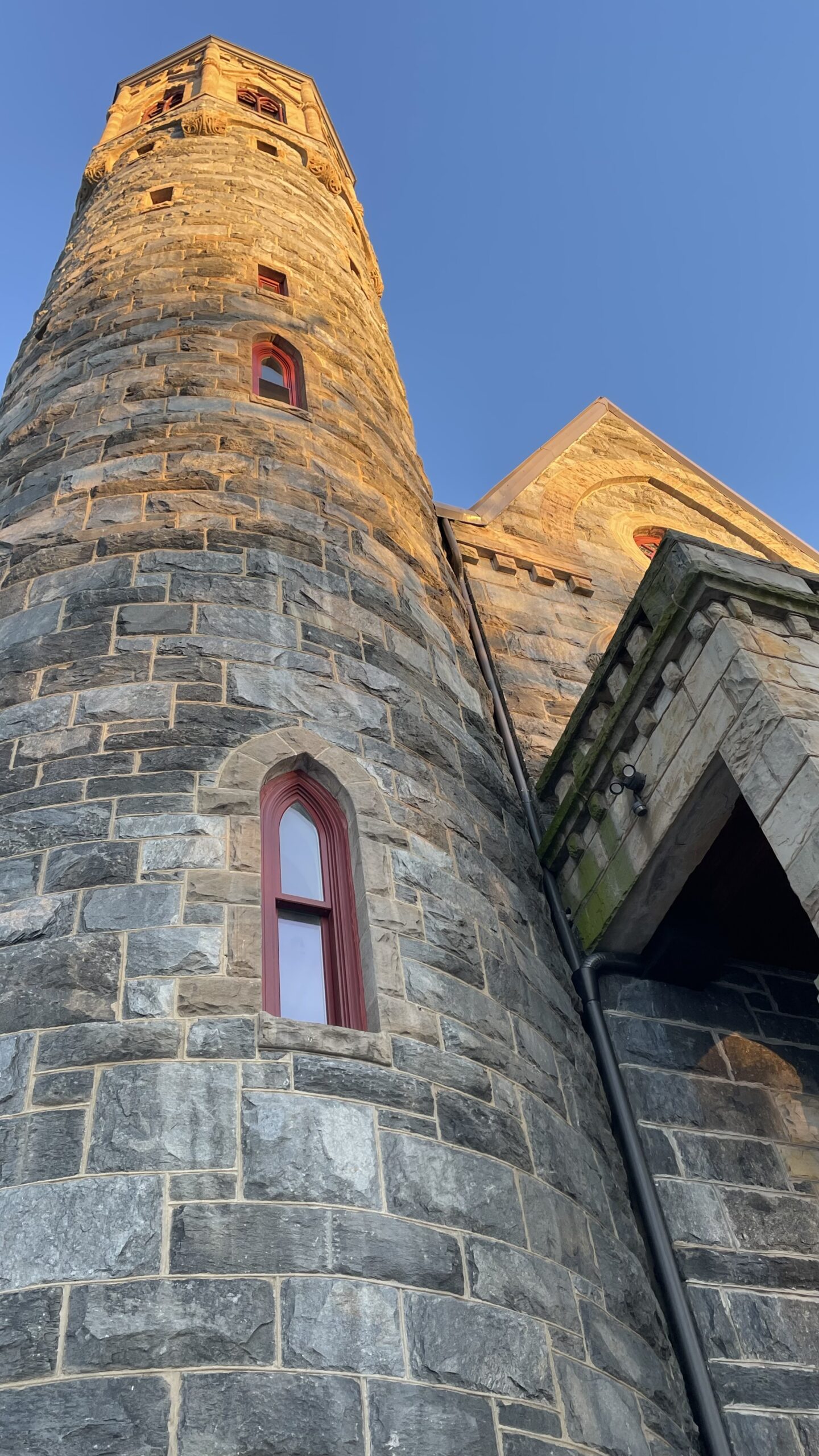
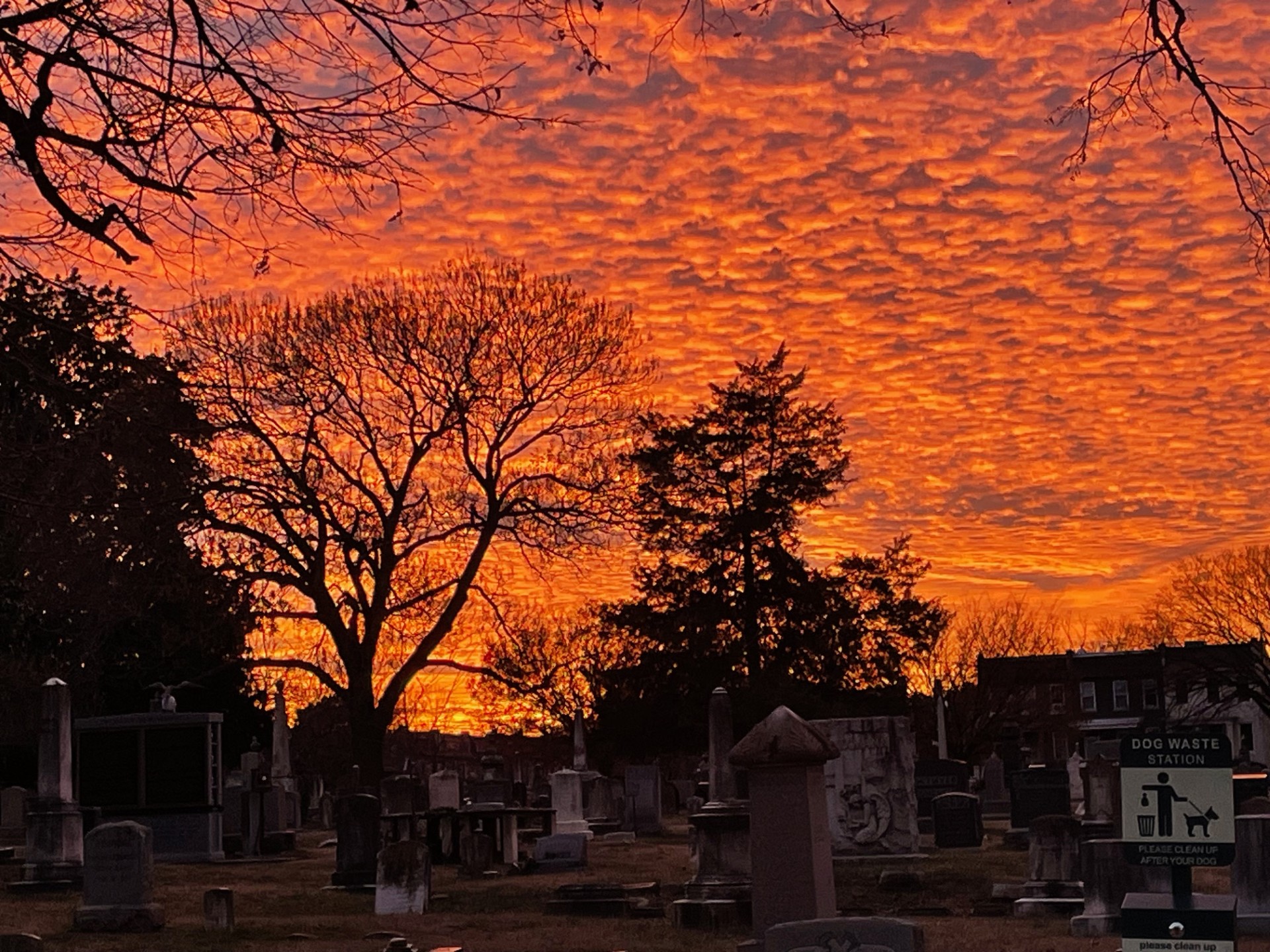
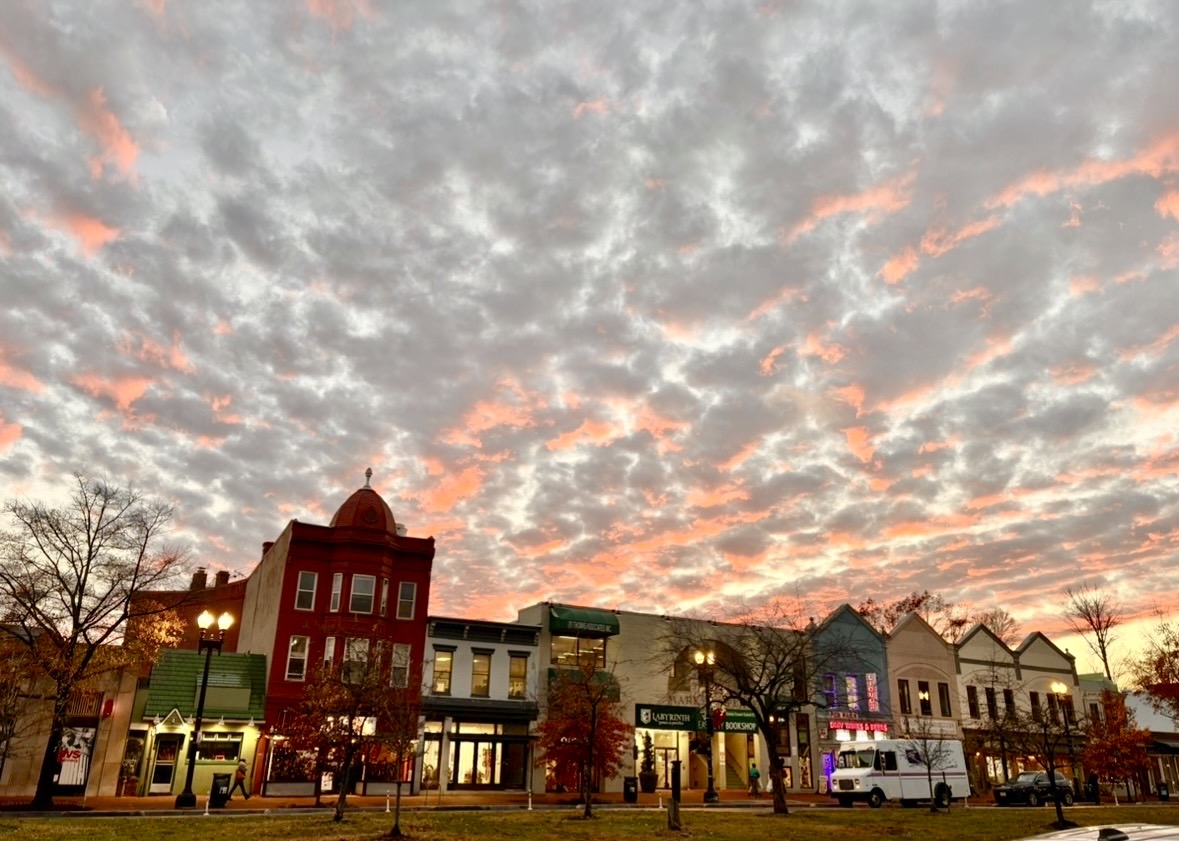
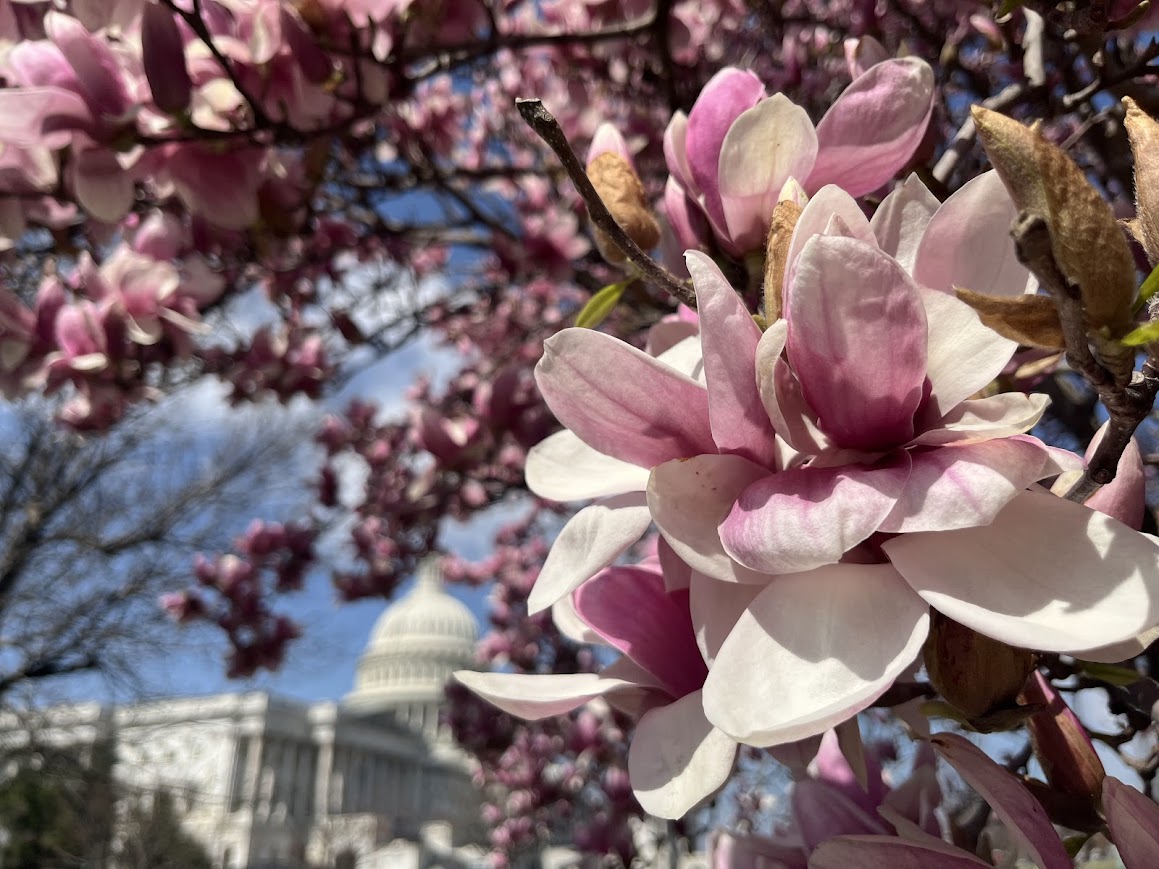
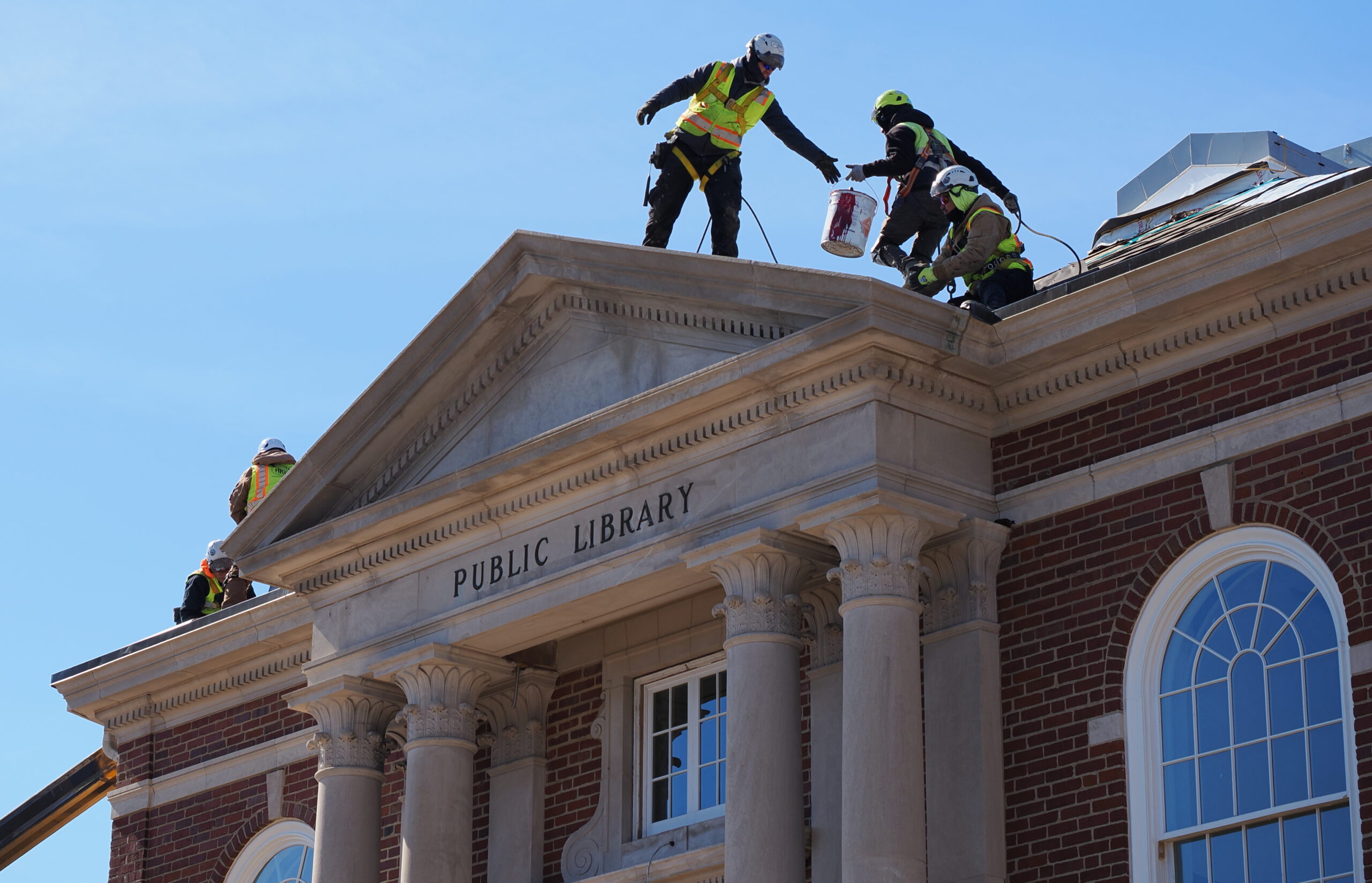
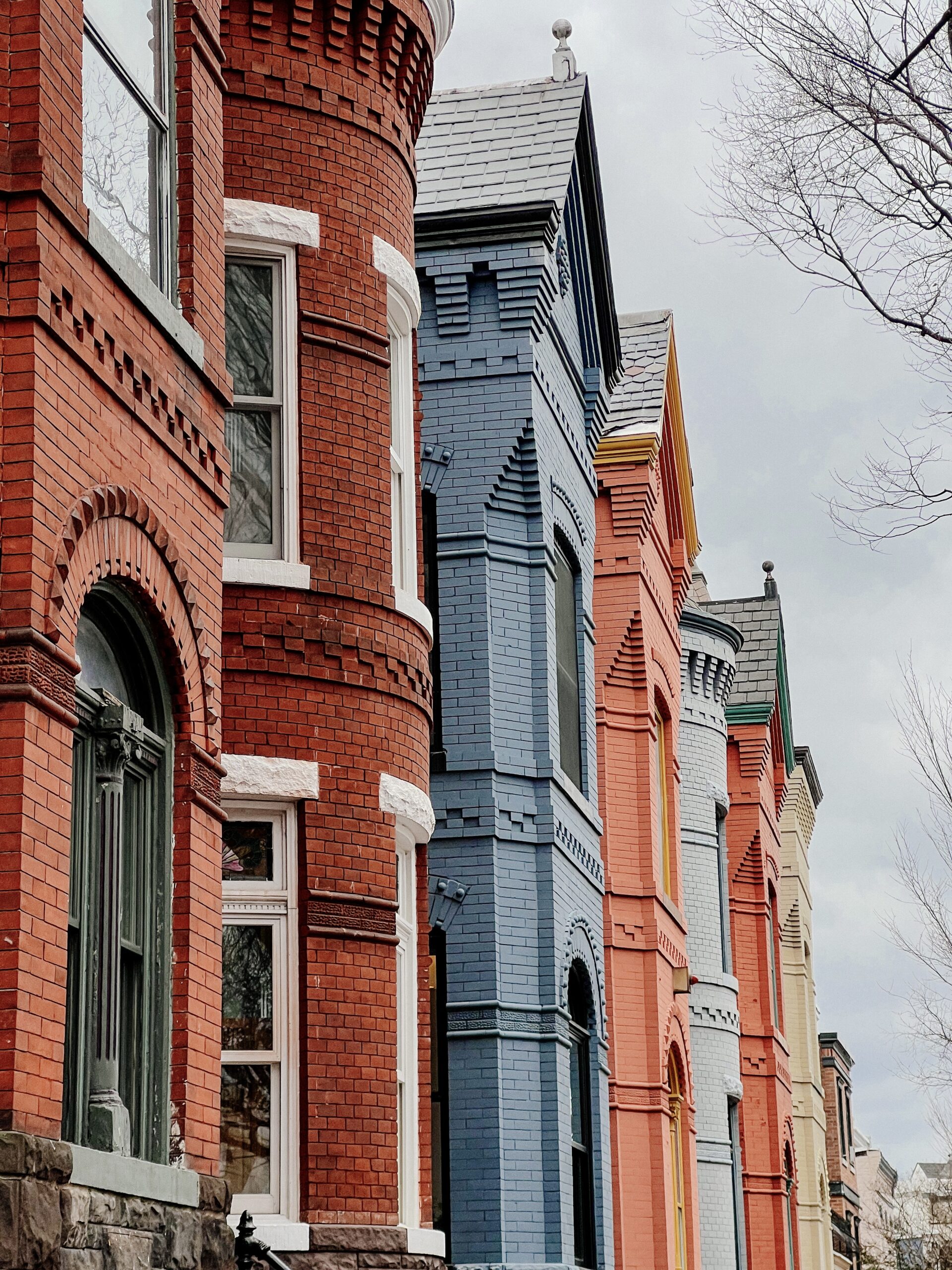
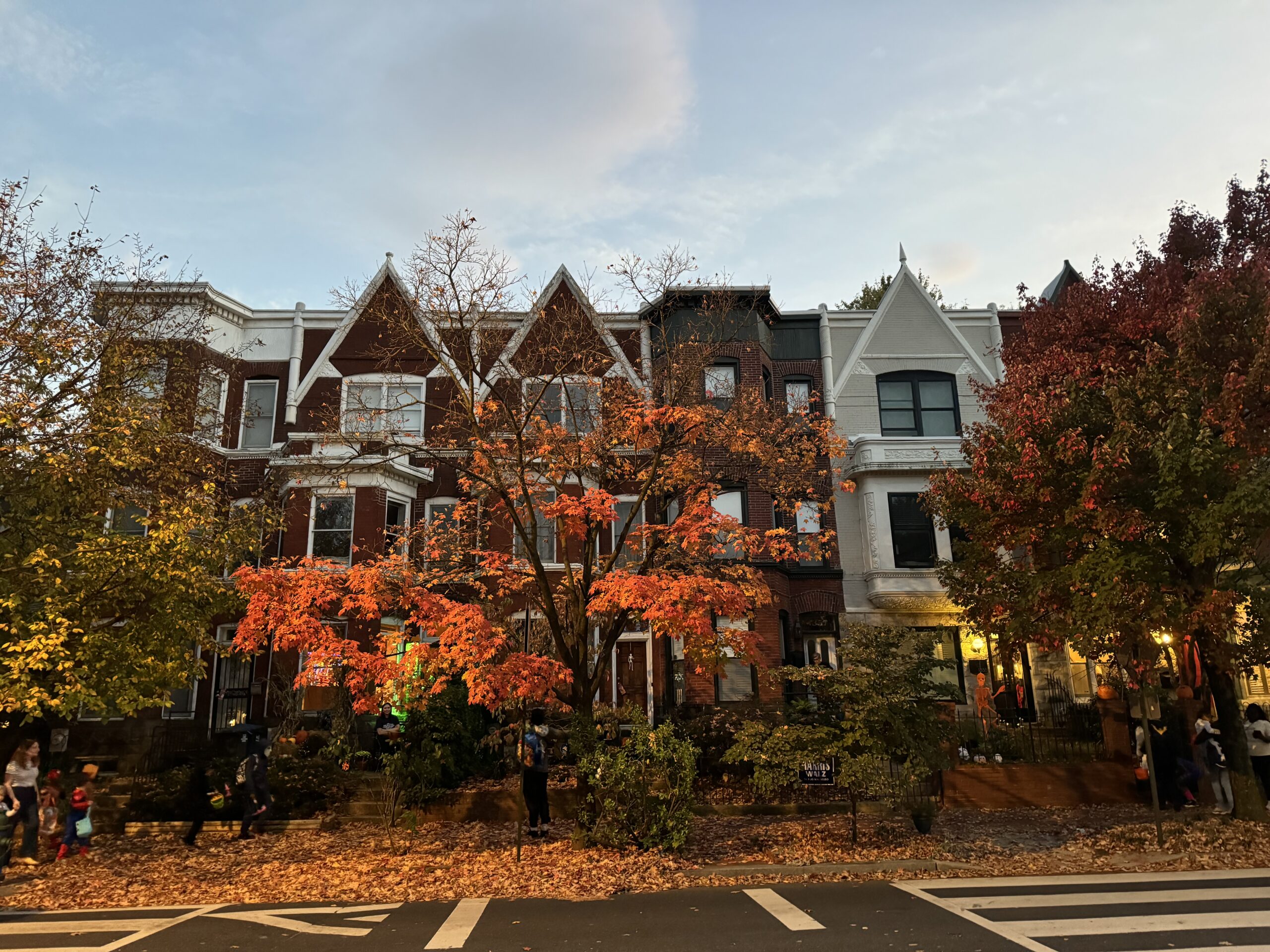
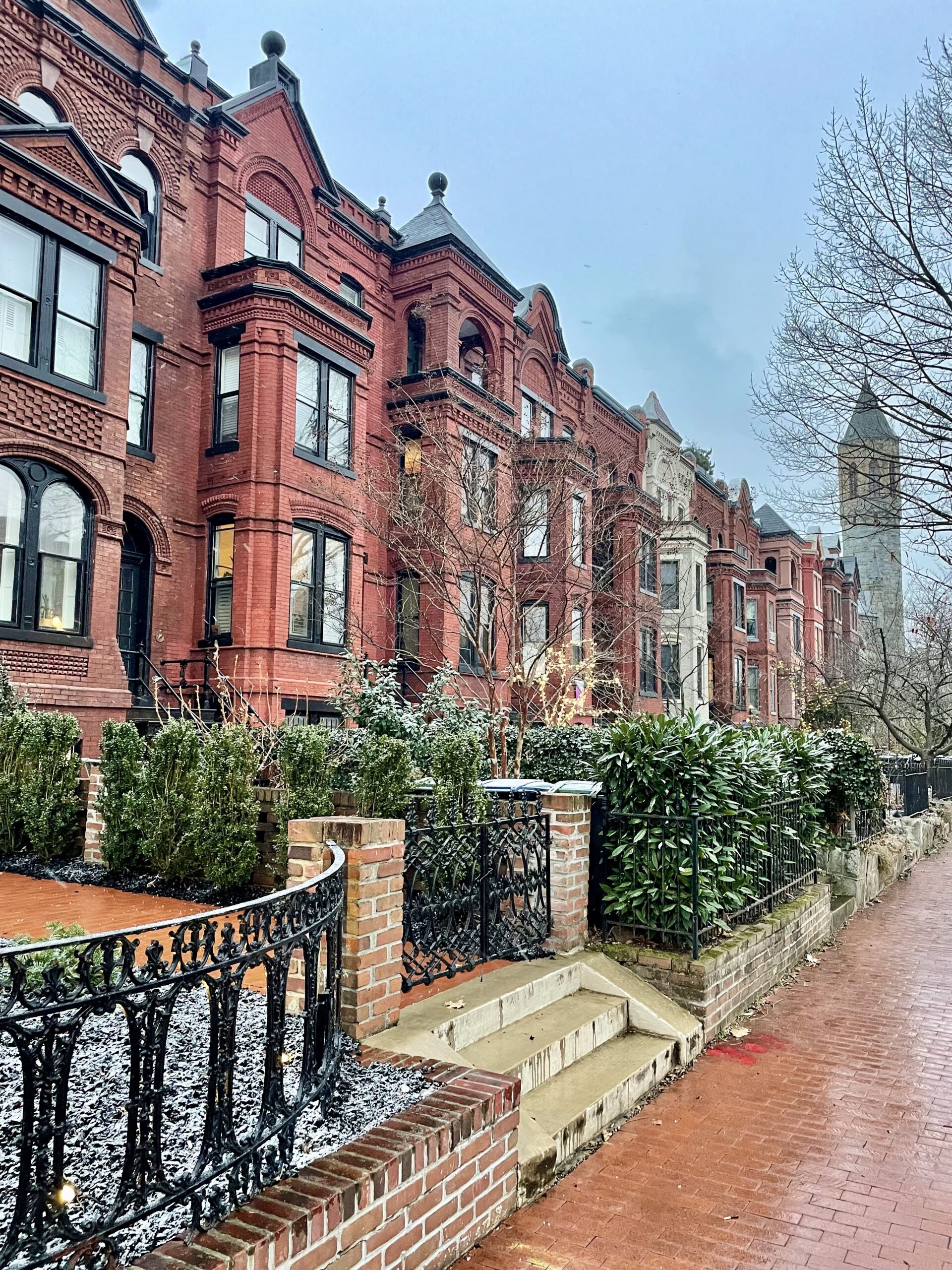
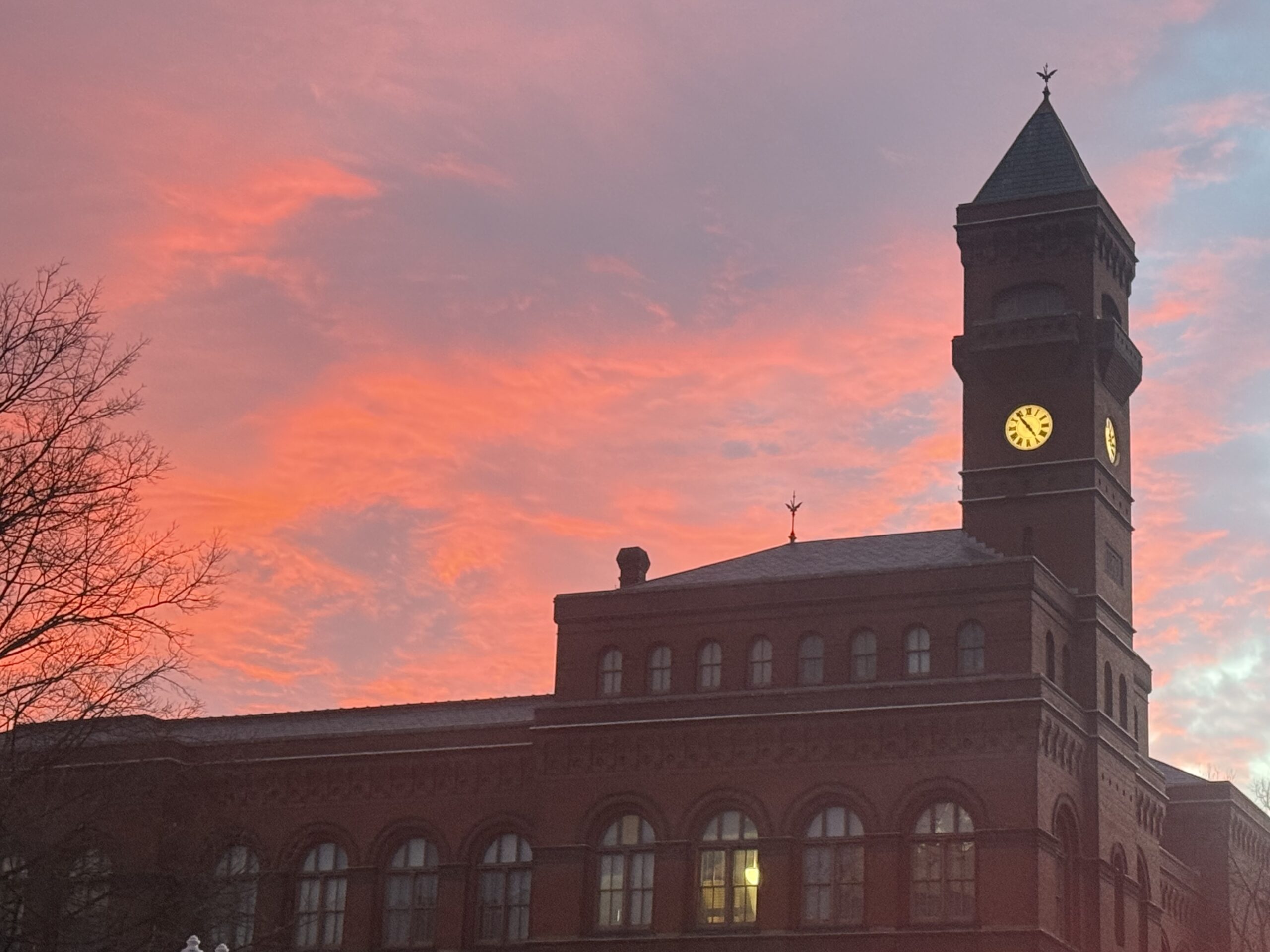
First Place: Jasmine Padgett, “Family Business,” taken at Jimmy T’s Place on East CapitolSecond Place: Bob Dardano, “”Former Imani Temple”Third Place: Patti Martin, “December Sunset at Historic Congressional Cemetery”Fourth Place: Ragnar Thoresen, “Hill Sunset”Fifth Place: Scotty Davids, “Spring Blooms at the Capitol”Sixth Place: Donna McLean, “Our Library’s Glow-up”Seventh Place: Shelby Swiney, “Capitol Hill in Color”Eighth Place: Marian Thomas, “Capitol Hill on Halloween”Ninth Place: Brett Anderson, “Before the Snow”Tenth Place: Michael Bowers, “Night Sky”
The annual Capitol Hill House & Garden Tour was held on Mother’s Day weekend, May 9-10, 2026. This year the tour highlighted the southeast side of Capitol Hill, with its lovely parks and even older homes.
The 2026 tour included eight homes, three semi-public buildings and a newly installed native plant garden. Some homes have been part of the tour before but have had fresh and unique updates.
Refreshments from the Capital Candy Jar and Bread Par Avion were offered in the lobby of 507 8th Street SE on Barracks Row, which also operated as tour headquarters. “The 507,” as it is known, serves as an event venue and also the offices of Taoti Creative. The building itself has been many things over the years — some more reputable than others, which we have lots of information about — and we were so pleased to be able to introduce this space to those who have not seen its new iteration.
The snow is gone. The Muse has descended and actually found a parking space. So, for April, which is National Poetry Month, she invites local Baudelaires and Emily Dickinsons to submit brief poems to CHRS celebrating our lives and houses on Capitol Hill.
The Muse, as she will, has guidelines:
1. The joys and foibles of Capitol Hill life must be your theme
2. Be spring-oriented — she no longer wishes to contemplate winter
3. Write a minimum of three lines (haiku) to a maximum of 14 lines (sonnet)
4. Submit your poem by Wednesday, March 18, at midnight (à la Poe) to caphrs420@gmail.com with “Poem” or “Poetry Submission” in the subject line
5. Choose any format, free verse to rigid meter, blank verse to rhyme. But if you label your poem a haiku, it must be a haiku; if a limerick, a limerick, etc.
6. The Muse will award a special prize (TBD) for wittiest use of the word “mortar”
Each year, CHRS asks for your best shots of Capitol Hill – from its antique homes to lovely parks and everything in between. This year’s deadline has been extended to Sunday, March 8, 2026.
Anyone can participate in the contest as long as the photos were taken in the neighborhood. All photos will be considered for this juried contest. There will also be a student section, and all of those entries will be inherent winners.
Winning photographs will be displayed at the Coldwell Banker Realty office at 350 7th Street SE — just down the street from Eastern Market. All young person/student entries will be displayed. CHRS will hold an opening reception sometime in April.
Here are the rules:
1. Photos must have been taken on Capitol Hill;
2. Photos must be submitted via the Google form in the highest resolution possible, by 11:59 pm on March 8, 2026;
3. Each submission must include a title, the photographer’s name, email address, and a note saying whether they are over or under 18.
4. Individuals can submit no more than two photos. We will only look at the first and second images an individual has submitted.
Members of the CHRS photo subcommittee will cull submissions to roughly 10 images that will then go to the judges.
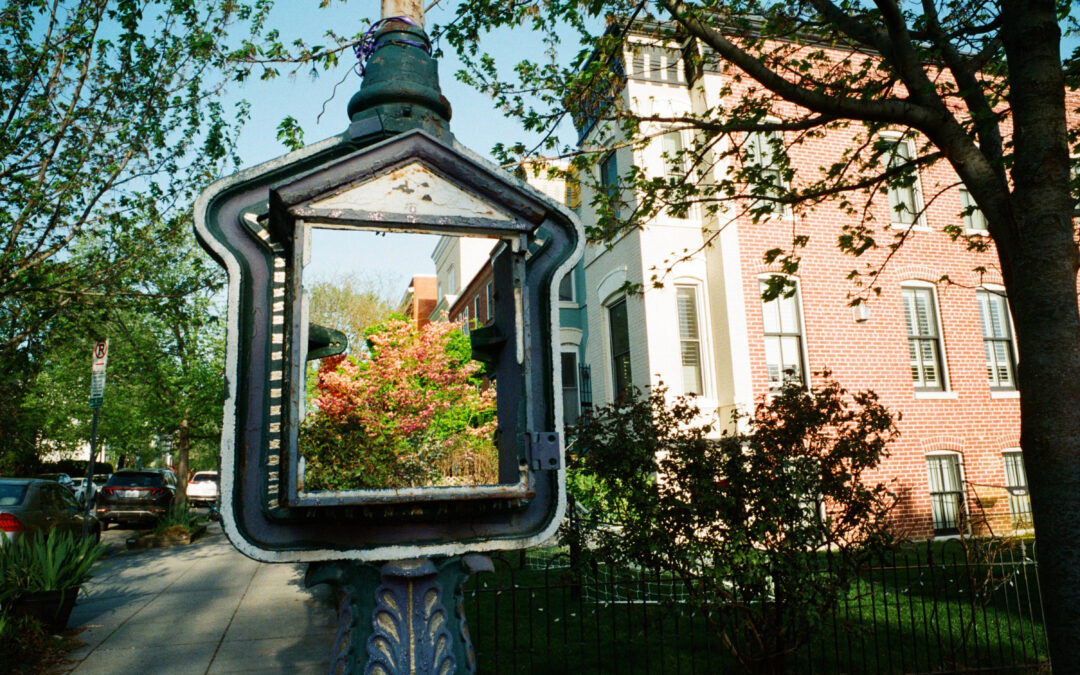
Pictures posted here are 2025 entries.
In addition to having their photo displayed, the first-place winner will receive free tickets to our annual Capitol Hill House and Garden Tour. Honorable mentions will receive a free year’s membership to CHRS.